
HubSpot Blog – Detailed Reference Content (Professional & SEO-Optimized)

HubSpot is one of the most trusted names in digital marketing, sales, CRM, and content strategy. Known for its powerful tools and high-quality educational resources, the HubSpot Blog is a go-to platform for marketers, business owners, SEO experts, and content creators around the world. It provides in-depth guides, step-by-step tutorials, data-driven insights, and practical tips to help professionals improve marketing performance and grow their businesses.

This detailed reference content explains the structure, style, tone, and strategy behind HubSpot blog posts—helping you understand how to create similar high-value content.

What Is the HubSpot Blog?

The HubSpot Blog is an online learning hub that covers topics like:

  • Digital Marketing

  • Sales & Lead Generation

  • SEO & Content Strategy

  • Social Media

  • CRM & Automation

  • Customer Service

  • Business Growth & Branding

The blog is designed to educate readers with reliable, up-to-date, and actionable information.

Why the HubSpot Blog Is So Popular

HubSpot blog content stands out because it is:

Highly Detailed

They publish long-form, in-depth articles with expert-level insights.

Educational and Actionable

Readers get practical steps, not just theory.

SEO-Optimized

Their content ranks high and brings millions of organic visitors each month.

Data-Driven

They use statistics, case studies, and examples to support claims.

Beginner-Friendly

Even complex topics are explained simply and clearly.

Main Features of HubSpot Blog Content

1. Strong Headline Structure

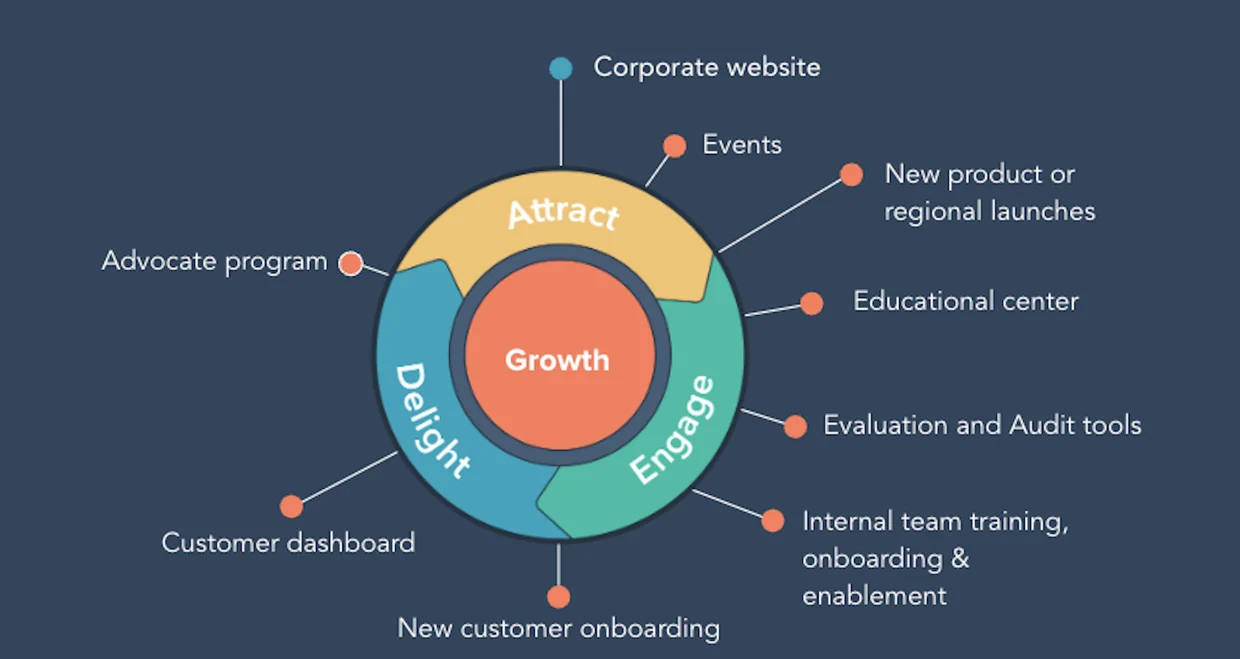
HubSpot uses headlines that include: Numbers Action words Keywords Clear benefits Example: "15 Proven Strategies to Improve Your Website’s SEO in 2025"
2. Engaging Introductions

HubSpot starts every blog with: A hook A problem statement A clear promise of value Example: “SEO is changing faster than ever — but with the right strategies, you can still rank higher and grow your traffic.”
3. Well-Organized Formatting

HubSpot blogs are easy to read because they use: Subheadings (H2, H3, H4) Bullet points Numbered lists Short paragraphs Highlighted key points This structure keeps readers engaged.

4. In-Depth Research & Insights

HubSpot content always includes: Market research Latest trends Industry statistics Case studies Expert quotes This builds authority and trust.
5. Step-by-Step Guides

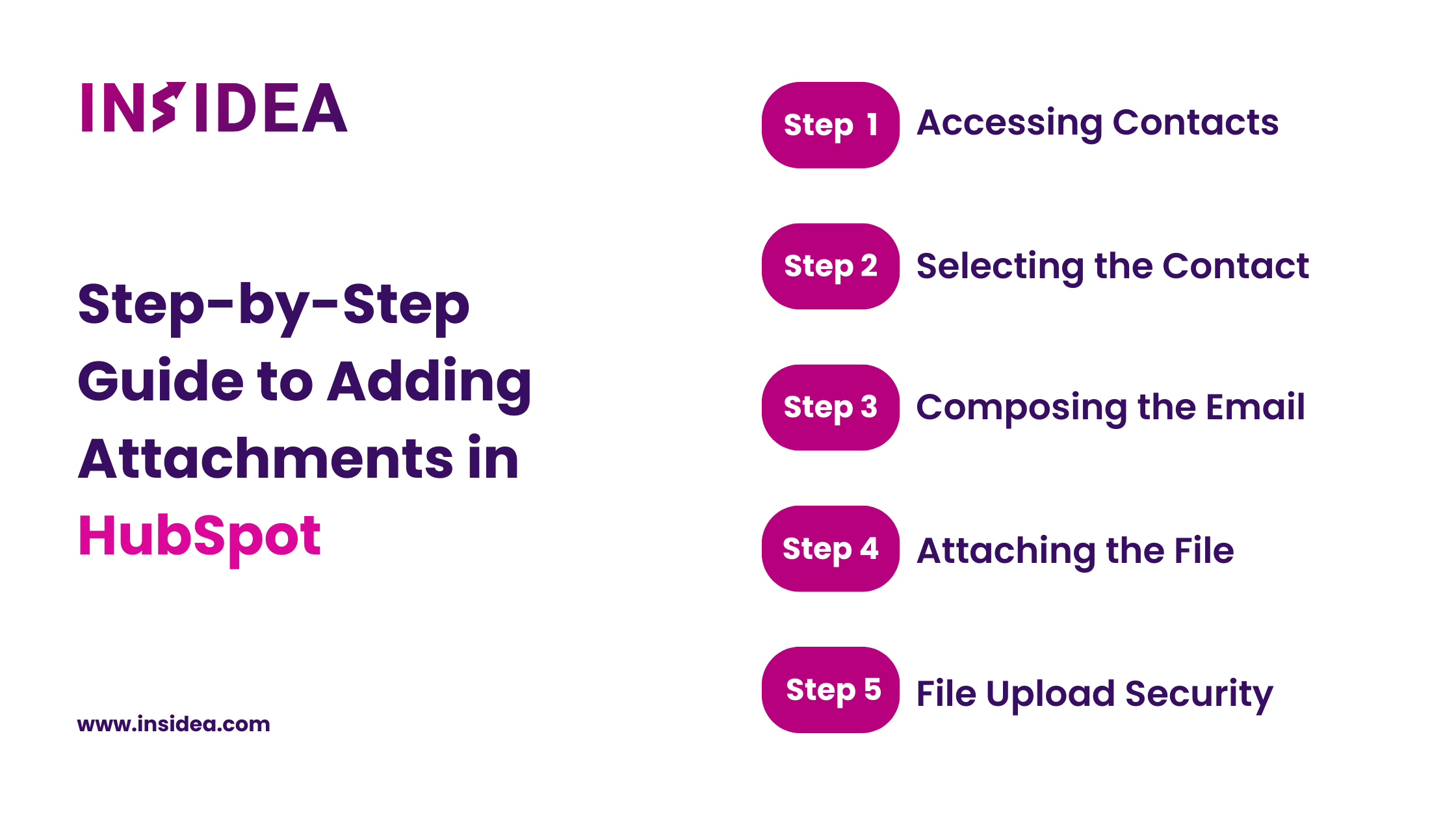
Most HubSpot articles include: How-to sections Tutorials Checklists Frameworks Example: “How to Build a Content Strategy in 9 Simple Steps”

6. Helpful Visuals

HubSpot uses: Infographics Charts Screenshots Diagrams Templates These help readers understand concepts better.